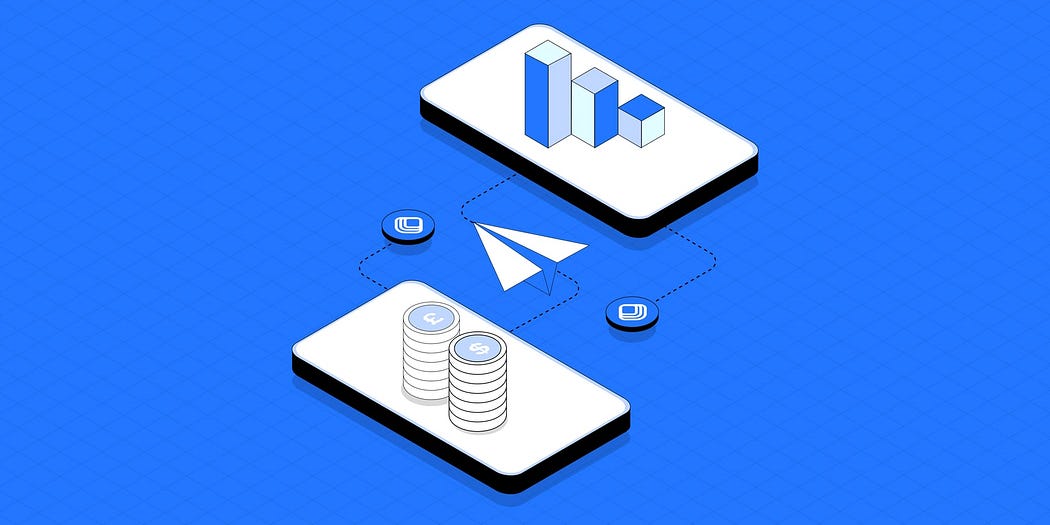
As your business expands into new markets, managing payments can become very complicated. You may need to send money across borders, work with different currencies, process more transactions, or connect payment functionality directly to your existing systems. Building all of this from scratch can require significant time and technical resources, which is where a payment API can help.
A payment API connects your business systems to payment infrastructure, allowing you to build payment capabilities into your applications and workflows. But choosing an API is not simply about finding one that works. The provider you choose can affect your payment costs, available markets, integration process, security, and ability to scale.
So, what should you look for when choosing a payment API for your business? Here are the key factors to consider.
What Is a Payment API?
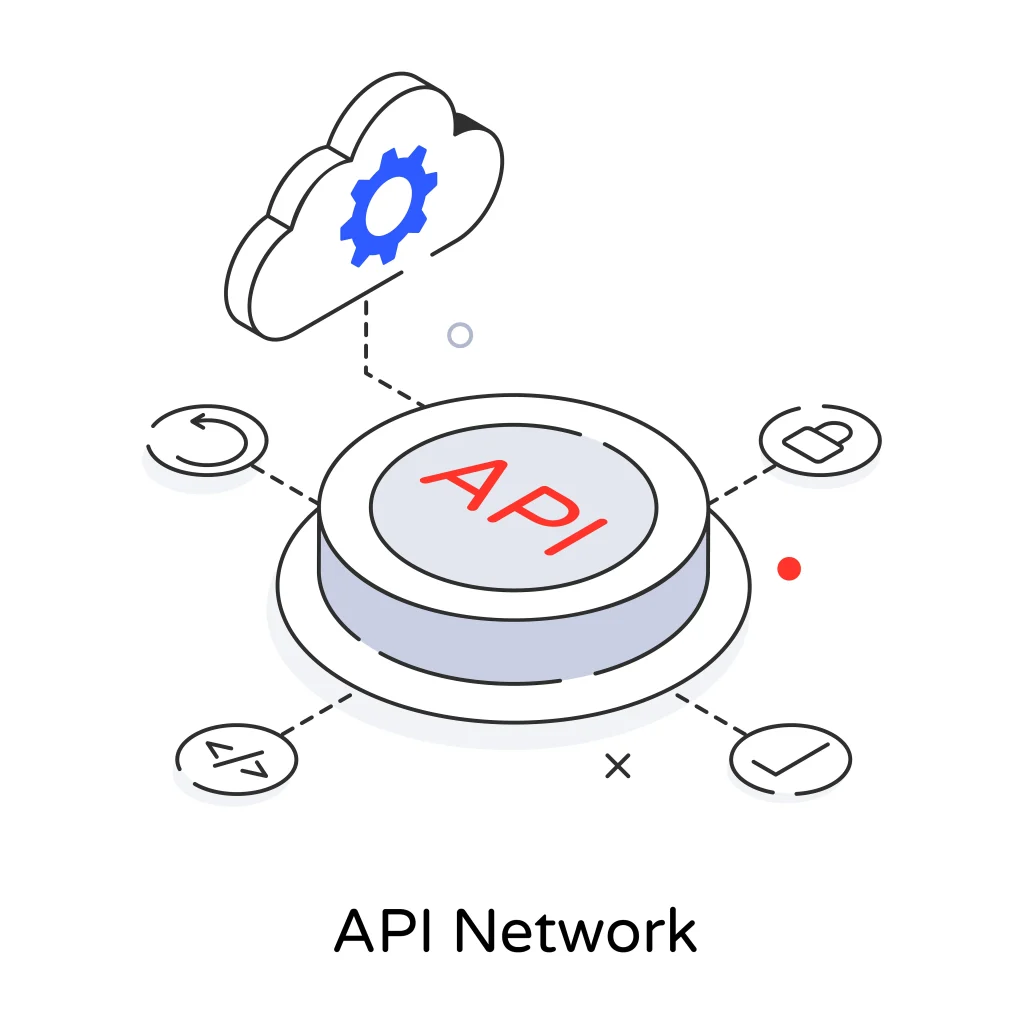
A payment API allows a business to connect its application or platform to payment infrastructure. It gives developers a way to integrate payment functions into their systems without building the underlying payment infrastructure themselves.
For example, a business can use a payment API to send payments, receive transaction updates, manage currencies, or automate payment processes directly from its own platform. This is particularly useful for businesses that need to manage payments at scale or across multiple markets.
A payment API is different from a payment gateway. A payment gateway primarily facilitates the transfer of payment information during a transaction, while a payment API provides a programmable connection that allows businesses to integrate payment capabilities into their own applications and workflows.
5 Things to Consider When Choosing a Payment API
Not all payment APIs offer the same coverage, pricing, or technical capabilities. Before choosing a provider, consider how well the API fits your current payment needs and whether it can support your business as those needs change.
1. Supported Countries and Currencies
Start by checking where the payment API operates and which currencies it supports. If your business sends or receives international payments, the provider needs to support the countries and currencies relevant to your operations.
A provider may support a wide range of currencies but have limited coverage in the markets you need. Checking this before integration can help you avoid having to connect to another provider later as your business expands.
2. Fees and Exchange Rates
The cost of using a payment API goes beyond its advertised transaction fee. Look at the full cost of moving money, including transaction charges, currency conversion fees, exchange-rate markups, and any additional costs that may apply.
This is particularly important for international payments, where FX costs can have a noticeable impact on the amount your business sends or receives. Comparing the total cost of a transaction gives you a clearer picture of what you will actually pay.
3. Integration and Developer Experience
A payment API should be practical for your development team to integrate and maintain. Look at the quality of its API documentation, available SDKs, testing environment, and integration requirements.
It is also worth checking whether the API supports webhooks and clear payment status updates. These features can help your systems automatically respond when a payment is completed, fails, or requires further action.
4. Security, Compliance, and Reliability
Payment systems handle sensitive financial and business information, so security should be a key consideration. Review how the provider protects data, authenticates API requests, and secures transactions.
You should also understand the provider’s compliance requirements and the markets in which it is authorized to operate. Reliability matters just as much. Frequent downtime or failed API requests can disrupt payment operations and affect your customers or suppliers.
5. Scalability and Support
The payment API should be able to support your business as transaction volumes increase. Check for API limits, infrastructure capacity, and whether the provider can support additional markets or currencies as your business expands.
Technical support is another important consideration. Even with good documentation, your development team may need help troubleshooting failed transactions or integration issues. A provider with accessible and responsive technical support can make the integration easier to manage as your payment operations grow.
How to Evaluate a Payment API Provider
Once you know what to look for, compare providers against your specific business requirements. Before making a decision, ask:
- Does it support your markets and currencies? Confirm that the countries and currencies you need are available now and as you expand.
- Are the fees and FX costs transparent? Look beyond the headline transaction fee and check the full cost of moving and converting money.
- How easy is the API to integrate? Review the documentation, available tools, testing environment, and technical requirements.
- Is the documentation clear? Developers should be able to understand the API, test endpoints, and troubleshoot common issues without unnecessary friction.
- Is the infrastructure secure and reliable? Check how the provider handles data, authentication, transaction security, and service availability.
- Can it scale with your business? Consider transaction limits, additional markets, currencies, and future payment needs.
- What support is available? Find out how you can get help when your team encounters technical or payment-related issues.
Taking the time to answer these questions before integrating an API can help you choose a provider that fits your business rather than one that only meets your immediate payment needs.
Build Payment Capabilities With Graph Finance
Choosing a payment API is ultimately about finding infrastructure that fits into the way your business already operates. Graph Finance gives businesses API access to payment infrastructure that can be integrated directly into their existing applications, platforms, and workflows. With as few as 10 lines of code, businesses can connect to Graph’s payment infrastructure without building the underlying financial systems themselves.
Businesses can use Graph’s APIs to build payment capabilities into their own products and systems, including accounts, wallets, payments, foreign exchange, and payouts. This allows businesses to make payment functionality part of their existing customer or operational experience instead of managing transactions manually across separate platforms.
For businesses operating across borders, Graph provides access to international payment capabilities across multiple currencies and markets. Its platform supports cross-border payments in currencies including USD, GBP, EUR, NGN, KES, GHS, XAF, XOF, and RMB, as well as stablecoin rails. Graph also supports payments to 100+ countries.
If your business needs to build payment capabilities into an existing system while managing international transactions, currencies, and payouts, Graph’s API provides the infrastructure to do so.
Explore Graph’s API and get started
Conclusion
The right payment API should fit the way your business operates today while giving you room to grow. Before choosing a provider, consider the markets and currencies you need to support, the types of payments you need to make or receive, the technical requirements for integration, the full cost of using the API, and how well the infrastructure can support your expected growth.
Taking these factors into account can help you choose a payment API that supports your business needs without creating unnecessary limitations as your payment operations expand.